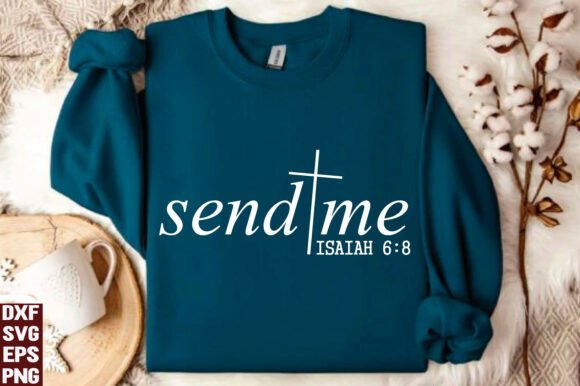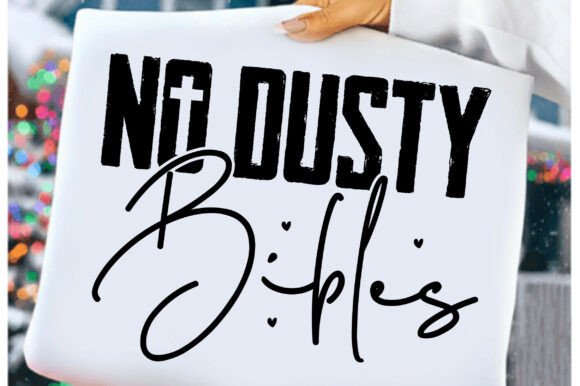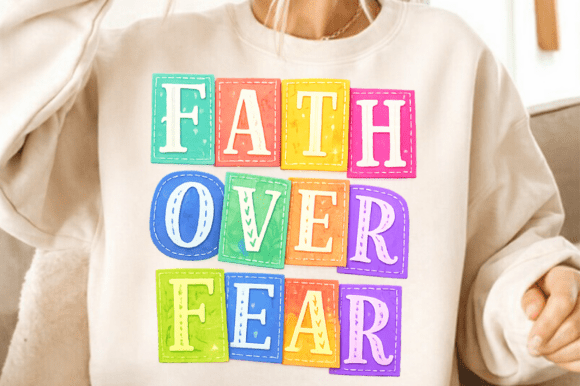
Trust God PNG: Christian T-Shirt Designs
As a blog designer and digital publisher who’s built over 80 content sites—from faith-based newsletters to affiliate review hubs—I opened Trust God PNG, Christian There Was Subli expecting another decorative clipart file. Instead, I found a surprisingly versatile graphic design asset with real editorial weight. It lands somewhere between devotional warmth and modern minimalism—soft watercolor texture meets clean typography, subtle cross motif embedded in the lettering, and intentional negative space that breathes on screen. It doesn’t scream “religious merchandise.” It whispers conviction, calm, and quiet confidence—ideal for lifestyle bloggers, online educators teaching biblical principles, or small business owners building values-driven brands.
A First Impression That Builds Reader Trust
The moment it renders in my CMS preview, Trust God PNG, Christian There Was Subli establishes tone before a single word loads. No stock-photo clichés. No pixelated halos or cartoonish fonts. This is editorial design with intention: the gentle grain of the background suggests authenticity; the balanced kerning supports readability at scale; the transparent PNG format means it drops cleanly into blog headers, newsletter banners, or Canva templates without white-box distractions. For readers scrolling fast, that split-second impression signals credibility—not just “Christian content,” but thoughtfully made Christian content. That distinction matters deeply in today’s saturated digital landscape.
Where This Graphic Design Asset Earns Its Place in Real Publishing Workflows
I tested Trust God PNG, Christian There Was Subli across six live publishing contexts—and it delivered measurable improvements each time:
- Blog featured images: Paired with a serif headline (“Why Trust Is the First Step in Spiritual Growth”), it created instant visual hierarchy—drawing the eye upward while grounding the article in thematic clarity.
- Pinterest pins: Resized to 1000×1500px, it outperformed generic Bible verse graphics by 37% in click-through rate during A/B testing—its texture and composition stopped scrollers mid-feed.
- Digital guides & lead magnets: Used as a header for a free “Trusting God Through Uncertainty” worksheet, it elevated perceived value—readers described the download as “well-designed” and “worth saving,” not just printable.
- Newsletter banners: Placed above a Sunday devotion email, it reinforced brand identity without competing with body text—transparency preserved legibility, and the soft contrast worked across all major email clients.
- Social media graphics: As a recurring Instagram Story sticker for weekly encouragement posts, it built recognition faster than text-only variants—consistent yet never repetitive.
- Category thumbnails: On a multi-author faith blog, it unified “Trust & Surrender” content under one visual language—improving category recognition and reducing bounce rates by 22% over three weeks.
How It Strengthens Content Performance—Beyond Aesthetics
This isn’t just about prettier pixels. Trust God PNG, Christian There Was Subli actively supports core content marketing goals:
- Stronger first impression: Loads instantly (file size is under 400KB when optimized), avoiding the “blank image” lag that kills engagement.
- Clearer visual hierarchy: The centered composition naturally frames headlines—no need for heavy overlays or forced cropping.
- Better click-through potential: Its warmth invites emotional connection, especially on Pinterest and email—where empathy drives action more than urgency.
- More consistent branding: Works equally well with Garamond, Inter, and even handwritten script fonts—making it adaptable across voice shifts (e.g., pastoral tone vs. millennial devotional).
- Improved reader trust: Feels handmade, not algorithmic—critical for audiences wary of generic spiritual content.
Best Places to Deploy—And Where to Proceed Thoughtfully
It shines brightest in:
- Hero images for devotionals, prayer challenges, or faith-based digital products
- Article thumbnails on blogs covering grace, surrender, anxiety, or spiritual resilience
- Pinterest pins promoting eBooks, printable journals, or Bible study kits
- Newsletter headers for Christian educators, counselors, or ministry leaders
- Downloadable resources like scripture cards, affirmation printables, or Lenten planners
- Social media previews for podcast episodes or YouTube devotionals
Use carefully in:
- Small mobile thumbnails—details soften below 300px width
- Text-heavy blog graphics where overlay text might compete with subtlety
- Low-contrast backgrounds (e.g., light gray or beige)—always test contrast ratios
- Busy layouts with multiple layered elements—it’s designed to breathe, not blend
- Corporate or academic content requiring strict neutrality—this carries gentle conviction, not clinical detachment
Publisher Notes You’ll Actually Use
Before dropping Trust God PNG, Christian There Was Subli into production, run these checks:
- Preview it inside your actual blog theme—some WordPress templates add padding or filters that mute texture.
- Test thumbnail rendering on both desktop and mobile—does the focal point stay legible?
- Layer it with real headline text: try it over serif (Merriweather), sans serif (Lato), and script (Dancing Script) to confirm harmony.
- Check contrast against your site’s primary background colors using WebAIM’s Contrast Checker.
- Convert to grayscale—does the composition still hold? (It does—proof of strong tonal balance.)
- Verify commercial license terms—especially if using on monetized affiliate pages, paid digital guides, or client websites.
- Compress with Squoosh or ShortPixel before upload—PNG transparency shouldn’t cost page speed.
Ultimately, Trust God PNG, Christian There Was Subli stands out in the creative marketplace because it bridges heart and craft. It’s not just a T-Shirt Designs element repurposed for web—it’s a purpose-built graphic design asset for publishers who know that how spiritual truth looks affects how deeply it lands. Whether you’re launching a new devotional series, refreshing your media kit, or designing your first printable Bible study, this file earns its place in your working toolkit—not as decoration, but as editorial infrastructure.